 Personality Tests
Archetype quiz
36 short statements, about 4 minutes. You get your main archetype out of the popular 12, your runner-up, a score for all 12, and what your archetype looks like with friends, at work and in stories.
I tend to believe things will work out fine in the end.
Your answers are scored in your browser. They are not sent to our server.
How it works
- Read each statement and tap how much it sounds like you, from Disagree to Agree.
- Answer for the way you usually are, not the character you'd like to play.
- After the last one you see your top archetype, your runner-up and a bar for all 12.
- Read your top two together. Most people are a mix, and the pair often fits better than one alone.
What an archetype is
An archetype is a pattern of character that shows up again and again in myths, fairy tales, films and dreams: the hero, the wise old mentor, the trickster, the caring mother. You know them on sight, even in a story you've never heard before.
The word was made famous by Swiss psychiatrist Carl Jung. He thought these figures come from a layer of the mind all humans share, which he called the collective unconscious. Jung wrote about many archetypes, like the Persona (the face we show the world), the Shadow (the parts of ourselves we hide), the Hero, the Wise Old Man and the Trickster.
Jung never made a list of exactly 12, and he never wrote a quiz. His archetypes were deep images, not personality types you could score.
Where the 12 archetypes come from
The set of 12 used in this quiz, and in most archetype quizzes online, comes from Carol Pearson and Margaret Mark. Pearson had written about the archetypes people live through in their own lives. In 2001 she and Mark, a marketing expert, published The Hero and the Outlaw, which used 12 archetypes to explain why some brands feel like characters you know.
They grouped the 12 by what each one wants most. The Innocent, Explorer and Sage want freedom and fulfillment. The Hero, Outlaw and Magician want to change the world. The Everyman (their "Regular Guy/Gal"), Lover and Jester want to belong and connect. The Caregiver, Creator and Ruler want to give the world structure.
Since then the 12 have been picked up by brand designers, novelists, screenwriters and coaches. That's why you'll see them in marketing guides and writing courses as much as in personality quizzes.
The 12 archetypes at a glance
Innocent: wants to be happy and safe; hopeful and simple. Everyman: wants to belong; down to earth and real. Hero: wants to prove their worth; brave and driven. Caregiver: wants to protect others; warm and giving.
Explorer: wants freedom; restless and curious. Rebel (Outlaw): wants to change what's broken; questions the rules. Lover: wants closeness and beauty; passionate and loyal. Creator: wants to make something new; imaginative and hands-on.
Jester: wants to enjoy life; funny and light. Sage: wants the truth; thoughtful and curious. Magician: wants to make change happen; visionary. Ruler: wants order; responsible and in charge.
How your archetype is worked out here
There are 3 statements for each of the 12 archetypes, 36 in all, mixed up so the same one never comes twice in a row. Six of them are worded the other way round ("I usually expect the worst so I won't be let down" counts against the Innocent), so agreeing with everything doesn't max out every bar.
Each answer is worth 0 to 4 points, so each archetype can get 0 to 12. We turn that into a score out of 100. Your highest score is your archetype, and your second-highest is your runner-up. If two tie exactly, we pick one using your pattern of answers, so the same answers always give the same result, and the other one shows as your second.
With only 3 statements each, one answer can move an archetype a lot. So look at the whole set of bars, not just the winner. If your top three are close, all three are part of your picture.
How to use your result (and what it isn't)
Be clear about what this is: a quiz for self-reflection and storytelling, not science. The 12 archetypes were never built or tested as a personality measure the way the Big Five was. No study shows that your archetype predicts your job, your relationships or your future.
It's still a useful mirror. Your result points at what you seem to want most right now: safety, freedom, belonging, change or order. Ask yourself if that rings true, and whether your runner-up is a side of you that you'd like more of.
Writers can take the quiz as a character to check they're consistent. Brand owners can take it for their brand, answering how the brand would act, to find a voice. If you want a better-tested picture of your personality, try the Big Five test as well.
All 12 results
The Innocent
You look for the good, keep things simple and trust that it'll work out.

The Everyman
You're down to earth, easy to be around and happiest when you belong.
The Hero
You rise to a challenge and want to prove what you can do.
The Caregiver
You protect and look after people, often before they ask.
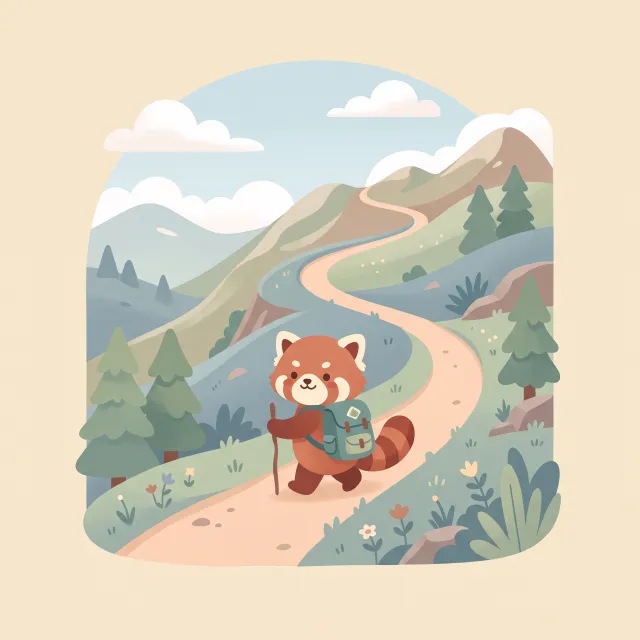
The Explorer
You need freedom, new places and the chance to find out who you are.
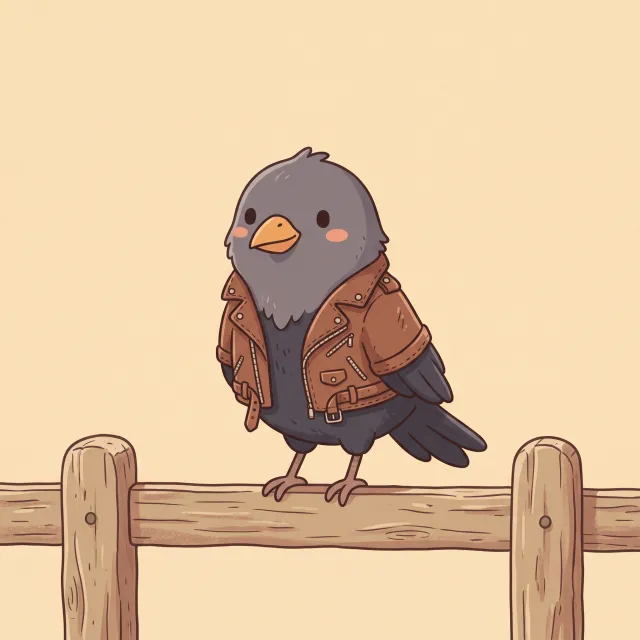
The Rebel (Outlaw)
You question the rules and want to shake up what isn't working.

The Lover
You live for closeness, beauty and feeling things fully.
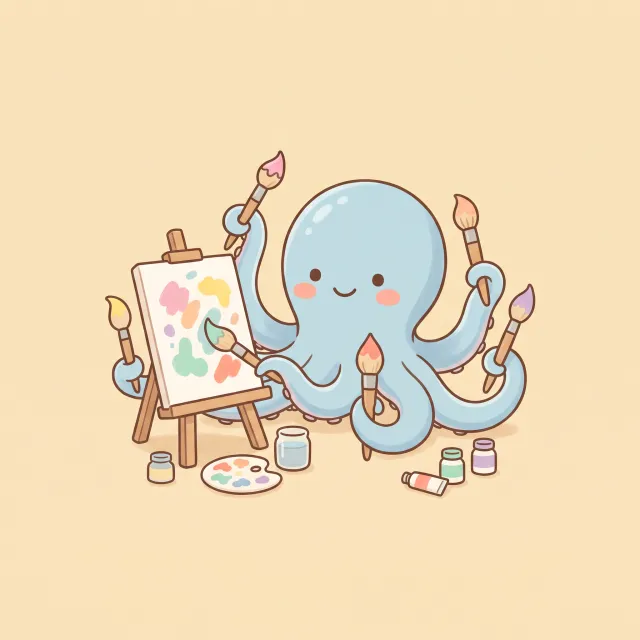
The Creator
You want to make something new that lasts.
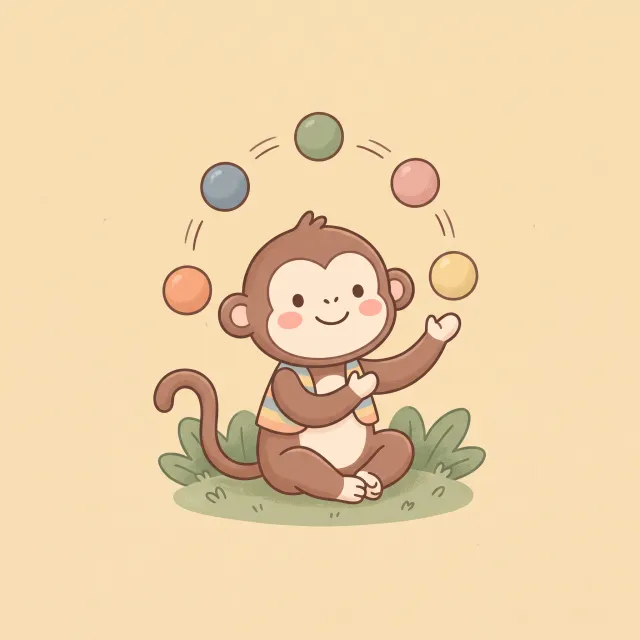
The Jester
You find the funny side and help everyone lighten up.
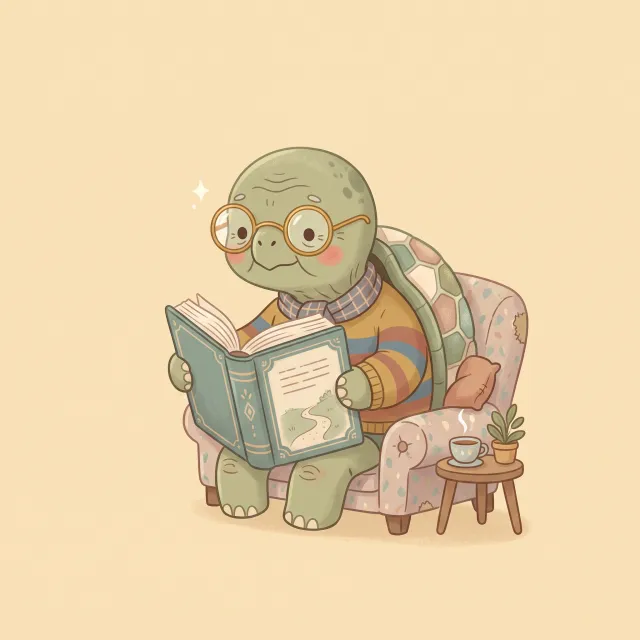
The Sage
You want to understand what's really true before you act.
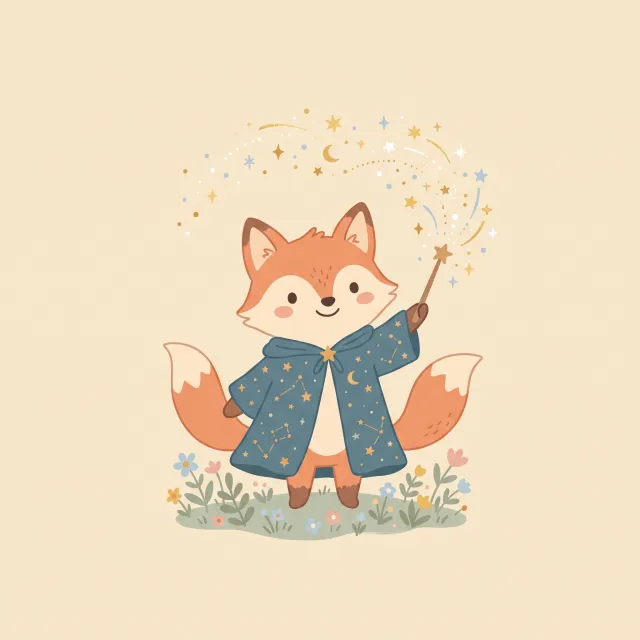
The Magician
You believe things can change, and you love making it happen.
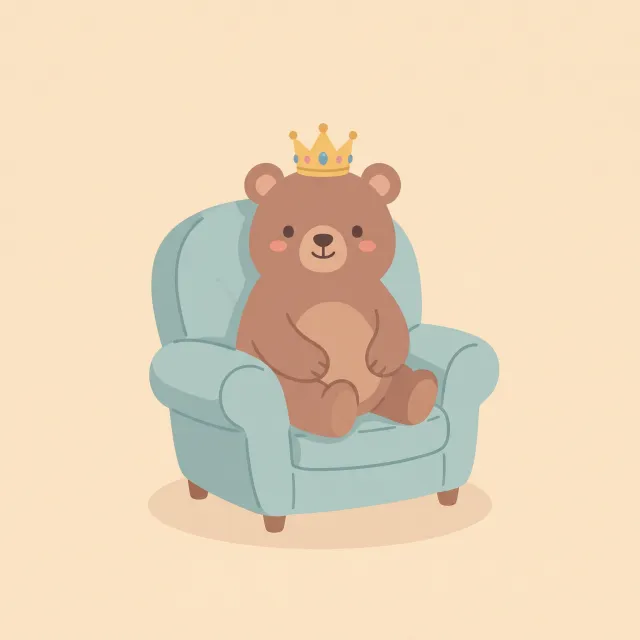
The Ruler
You take charge, set the rules and keep things steady.
Questions
Original statements written for this site, inspired by the 12 archetypes described by Margaret Mark and Carol Pearson in The Hero and the Outlaw (2001), which build on Carl Jung's idea of archetypes. This is a self-reflection quiz, not a scientific or official test.
FAQ
- Is this a Jungian archetype test?
- It's inspired by Jung's idea of archetypes, but the 12 archetypes come from Carol Pearson and Margaret Mark's work, mainly their 2001 book The Hero and the Outlaw. Jung himself never listed 12 or made a test.
- What does my second archetype mean?
- It's the archetype you scored next highest. Most people are a blend, so your top two together usually describe you better than one alone. A Sage with a Jester runner-up feels very different from a Sage with a Ruler runner-up.
- Can my archetype change?
- Yes. Archetypes describe what you want and how you act at a point in your life, so they can shift as your life changes. With only 3 statements per archetype, small changes in your answers can also flip the top spot.
- Is this the same as a brand archetype quiz?
- It uses the same 12 archetypes that brands use. Answer for yourself to get your personal archetype, or answer as if you were your brand to see which one fits its voice.
- How long does it take?
- About 4 minutes. There are 36 short statements and you tap one answer for each.
- Do you save my answers?
- Your answers are scored in your browser and are not sent to our server. Your last result is kept in your own browser so you can see it again; clearing site data removes it.
Try these next
Last updated November 12, 2026