 Personality Tests
Dere type quiz
12 questions, about 3 minutes. Find out which anime-style dere type you are when you have a crush: tsundere, yandere, kuudere, dandere, deredere or himedere.

Your crush says good morning to you. What do you do?
Your answers are scored in your browser. They are not sent to our server.
How it works
- Picture someone you like, real or fictional. Each question shows three ways you might react.
- Tap the one that's most you. Be honest; nobody will see that you picked the voice-note option.
- At the end you get your main dere type, a runner-up and a bar for all six.
- Share it with friends and guess each other's types first. It's more fun that way.
What does "dere" mean?
Dere comes from the Japanese dere-dere, a sound word for being lovey-dovey or going soft over someone. Anime, manga and game fans started adding other words in front of it to describe how a character acts around the person they like.
The most famous is tsundere: a character who is cold and snappy (tsun-tsun) on the outside but sweet (dere-dere) underneath. The word spread from Japanese fan culture to fans worldwide in the 2000s, and other types followed.
These are fan labels, not psychology. They're a fun shorthand for a few very recognisable crush styles, and that's how this quiz uses them. The questions are our own and the quiz isn't tied to any show.
The 6 dere types
Tsundere: prickly outside, soft inside. "It's not like I like you or anything!" Shows love through actions and excuses.
Yandere: love turned up too high. Sweet and devoted, but clingy and a bit possessive. In anime this can go to dark places; in this quiz it's the cartoon version, like remembering every detail of their schedule.
Kuudere: cool, calm and hard to read. The feelings come out in small, precise gestures and the occasional rare smile.
Dandere: shy and quiet, especially around a crush. Very sweet and chatty once they feel safe with you.
Deredere: pure sunshine. Openly affectionate from the start, no hiding it.
Himedere: princess (or prince) energy. High standards, wants to be treasured, and is very generous with whoever earns that place.
How your dere type is worked out
There are 12 questions with 3 answers each. Every answer gives 2 points to the type it fits best and 1 point to a similar type. For example, "Act like you didn't notice. You definitely noticed" gives 2 points to tsundere and 1 to kuudere, since both hide their feelings.
Each question uses all six types exactly once. Across the quiz, every type is the 2-point type in 6 questions and the 1-point type in the other 6, so each can score at most 18. No type has a head start.
Your score for each type is its points divided by 18. The highest one is your dere type and the next is your runner-up. If two are exactly tied, we pick one based on your pattern of answers, so the same answers always give the same result.
Which dere types go well together?
Purely for fun: a tsundere and a deredere are a classic pairing. The deredere's open warmth slowly melts the tsundere's armour, and the tsundere keeps things interesting.
Kuudere and dandere make a calm, quiet couple who are happy to sit together without talking. Himedere does well with a patient deredere who enjoys making them feel special.
Yandere is happiest with someone secure who isn't bothered by a lot of attention, and who can gently say "I'm not going anywhere" when the clingy side shows up.
Is it bad to get yandere?
No. In this quiz, yandere just means you love intensely and get a bit jealous or clingy, in a cartoon way. Lots of warm, kind people land here. It usually means you're very devoted and notice everything about the people you care about.
In real relationships, though, keep the fiction in the fiction. Checking someone's phone, controlling who they see or making threats isn't cute in real life. If a relationship ever feels like that, from either side, it's worth talking to someone you trust or a counsellor.
How seriously to take it
Not very. It's a playful quiz about crush styles, built from fan slang. Most people have a bit of several types, and you might act like a dandere with a new crush but a tsundere with a long-term partner.
Look at your runner-up too. A tsundere with a lot of himedere is quite different from a tsundere with a lot of deredere. The first is proud and hard to win over; the second caves the moment someone is nice to them.
Your type can also change with who you're thinking of. Try it once for a crush and once for a long-term partner or a favourite character, and compare. Many people find they're shy at the start of something and much bolder later on.
All 6 results
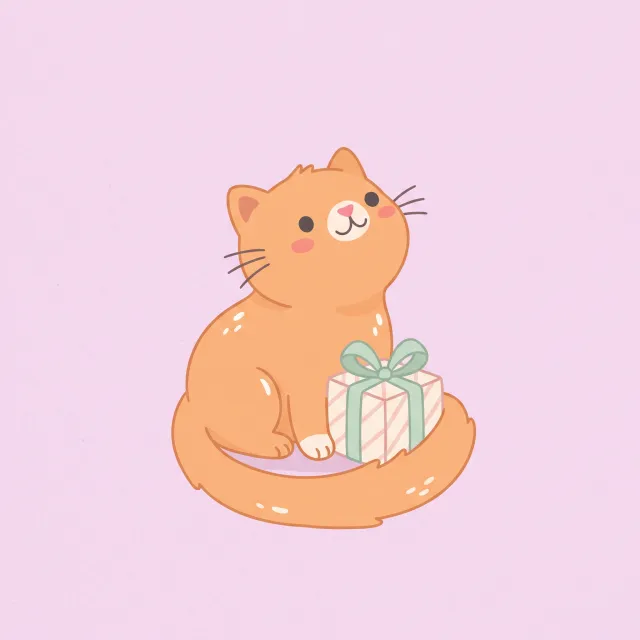
Tsundere — prickly outside, soft inside
"It's not like I like you or anything!" (You like them a lot.)

Yandere — love turned up to eleven
Sweet, devoted, and just a little bit too into it.

Kuudere — cool on the surface
Calm, quiet, unreadable... until you smile once and everyone melts.

Dandere — the shy, quiet one
Quiet in a crowd, sweet and chatty with the one you trust.

Deredere — all sunshine, all the time
No hiding it. You like them, and you'll say so with a big smile.
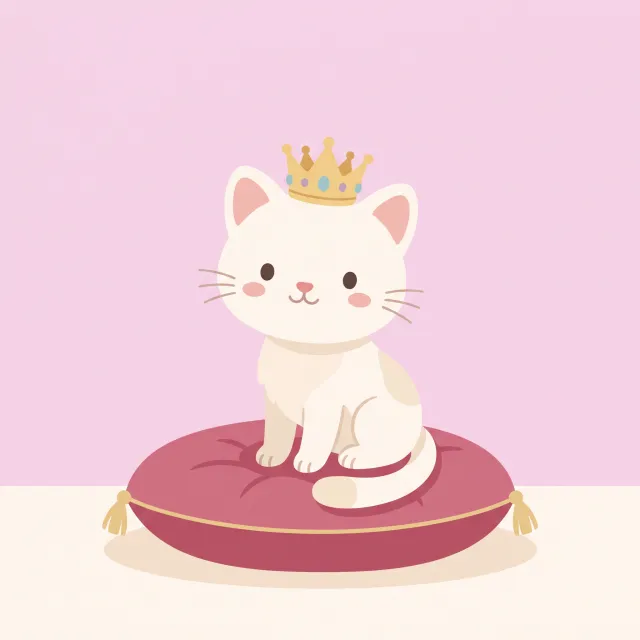
Himedere — royalty in love
You want to be treasured, and honestly, you deserve it.
Questions
Original questions written for this site, just for fun. Tsundere, yandere, kuudere, dandere, deredere and himedere are fan terms from anime, manga and games for how a character acts around someone they like. They're playful labels, not a psychology model, and this quiz isn't connected to any show or company.
FAQ
- What are the main dere types?
- The six most common are tsundere (cold outside, sweet inside), yandere (obsessively devoted), kuudere (cool and calm), dandere (shy and quiet), deredere (openly affectionate) and himedere (princess-like). Fans have invented many more, but these six are the best known.
- What does tsundere mean?
- It joins tsun-tsun (cold, snappy) and dere-dere (lovey-dovey). A tsundere acts annoyed or uninterested around someone they like, while clearly caring a lot. The classic line is "It's not like I like you or anything!"
- What's the difference between yandere and tsundere?
- A tsundere hides their feelings behind a grumpy act. A yandere shows their feelings too much, to the point of being clingy or possessive. One holds love back; the other can't hold it in.
- What's the difference between kuudere and dandere?
- Both are quiet. A kuudere is calm and composed, and chooses to stay cool. A dandere is shy and nervous, and would love to talk but gets tongue-tied. Kuuderes look unbothered; danderes look flustered.
- Is there a male version of himedere?
- Yes. Some fans say oujidere, from ouji (prince). The idea is the same: high standards and wanting to be treated like royalty. This quiz uses himedere for everyone.
- Do you save my answers?
- Your answers are scored in your browser and are not sent to our server. Your last result is kept in your own browser so you can see it again; clearing site data removes it.
Try these next


Last updated November 12, 2026