 Personality Tests
Mental age test
20 quick questions about everyday life, about 4 minutes. You get a playful "mental age" between 8 and 72, plus one of six results from Kid at heart to Old soul.
You have a whole Saturday with no plans. What happens?
Your answers are scored in your browser. They are not sent to our server.
How it works
- Read each question and tap the answer that sounds most like you. There are no right answers.
- Pick what you'd really do, not what you think you should do. Your first reaction is usually the honest one.
- After the last question you see your mental age and what it says about how you live, work and love.
- Share it with friends and compare. It's more fun when your 25-year-old friend turns out to be 63.
What "mental age" means on the internet
Online, your mental age is how old you act, not how old you are. Someone who goes to bed at 9:30 and owns a favourite kettle gets called an old soul. Someone who still gets giddy about bouncy castles is a kid at heart.
It's a joke people play with their friends, and that's how this quiz works too. The questions look at your habits and tastes: how you spend a free Saturday, what's in your bag, how you text, how you handle a fight. Then we turn your answers into a number.
Neither end is better. Being young at heart usually means curious and playful. Being an old soul usually means calm and settled. Most people are a mix.
Where the term really comes from (and why this isn't that)
"Mental age" started as a serious idea. In 1905 the French psychologist Alfred Binet and his colleague Théodore Simon built a test to find schoolchildren who needed extra help. Each task was matched to the age at which typical children could pass it. A child who passed the tasks for a typical 8-year-old had a mental age of 8, whatever their birthday said.
In 1912 the German psychologist William Stern suggested dividing mental age by real age. That ratio became the "intelligence quotient", or IQ. Lewis Terman's 1916 Stanford-Binet test multiplied it by 100, which is where IQ scores around 100 come from.
The idea didn't work well for adults, because the skills those tests measured stop climbing in the late teens. Later IQ tests, starting with David Wechsler's in the late 1930s, dropped the mental age ratio and compared people with others their own age instead.
This quiz has nothing to do with any of that. It doesn't measure intelligence, maturity or anything about how your mind works. It's about vibes: snacks, naps and if you're still awake at 2 a.m.
How your number is worked out
Every answer is worth 0 to 3 points. 0 is the most young-at-heart answer ("Build a blanket fort") and 3 is the most old-soul answer ("Up at six, a walk, some gardening"). Two questions have three answers instead of four, but the oldest answer is still worth 3. The answers are shuffled, so the youngest one isn't always first.
We add up your points out of a possible 60 and turn that into a score from 0 to 1. Your mental age is 8 + 64 × that score, rounded to a whole number. So 0 points gives 8, 30 points gives 40, and all 60 points gives 72. Put another way, it's your average answer mapped onto the range 8 to 72.
Your result type follows the number: 8–21 is Kid at heart, 22–30 is Forever young, 31–40 is Fresh grown-up, 41–50 is Steady adult, 51–59 is Seasoned and settled, and 60–72 is Old soul.
The six results in brief
Kid at heart (8–21): playful, excitable, all in on fun. Forever young (22–30): late nights, new trends, big plans, little sleep.
Fresh grown-up (31–40): bills paid, still up for a spontaneous night out. Steady adult (41–50): routines, a good frying pan, calm in a crisis.
Seasoned and settled (51–59): a few close friends, the long view, very hard to rattle. Old soul (60–72): early nights, real talks, tea and a cardigan.
How old do people actually feel?
There is real research on something close to this. Psychologists call it subjective age: how old you feel, as opposed to how old you are. Studies in many countries have found that most adults feel younger than their real age, and the gap tends to grow as people get older.
Teenagers often feel a bit older than they are. By middle age, lots of people say they feel years younger. Our quiz doesn't measure subjective age, but it plays with the same idea: your birthday is one number, and how you live is another.
So if a friend in their twenties scores 65, they're not wrong about their age. They just like early nights.
How seriously to take it
Not very. This is a quiz for fun, written for this site, and nobody has tested it as a measure of anything. Your answers would shift if you took it on a lazy Sunday instead of a busy Monday, and that's fine.
A low number doesn't mean you're immature, and a high one doesn't mean you're boring or wise. A 19-year-old who loves gardening and a 60-year-old who loves theme parks are both doing life right.
If you want a test with real research behind it, try the Big Five personality test on this site. It measures five traits psychologists actually use, and gives you a score for each one.
All 6 results
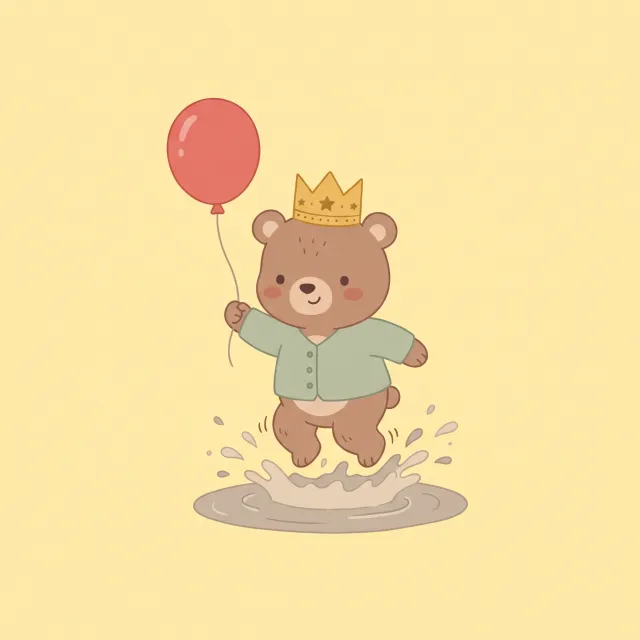
Kid at heart
You never stopped playing, and honestly, good for you.
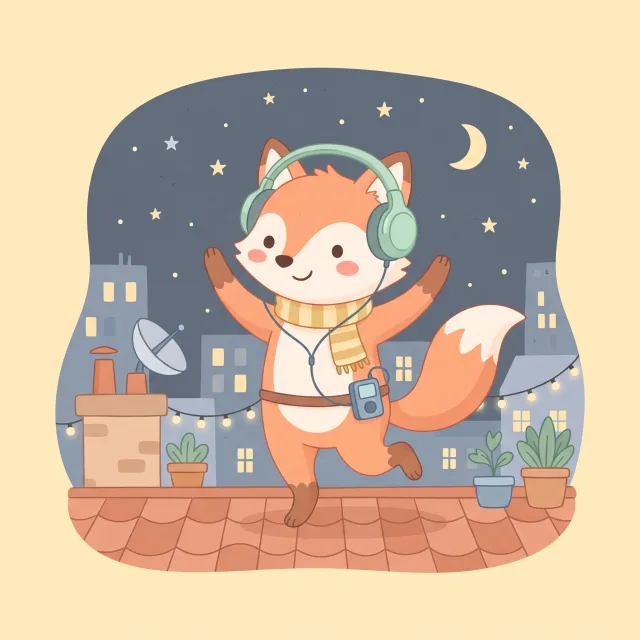
Forever young
Late nights, loud music, big plans. You live in the now.
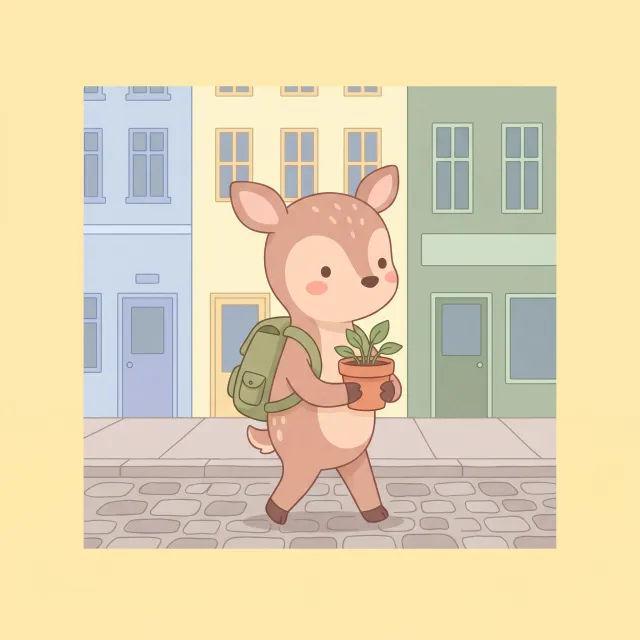
Fresh grown-up
Half fun, half responsible, and figuring out the balance.

Steady adult
You have a routine, a good pan, and opinions about both.
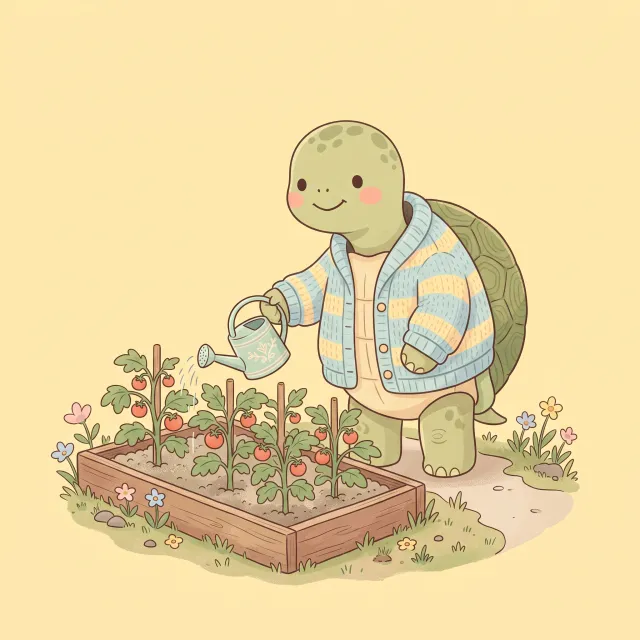
Seasoned and settled
You've seen a few things, and very little rattles you now.
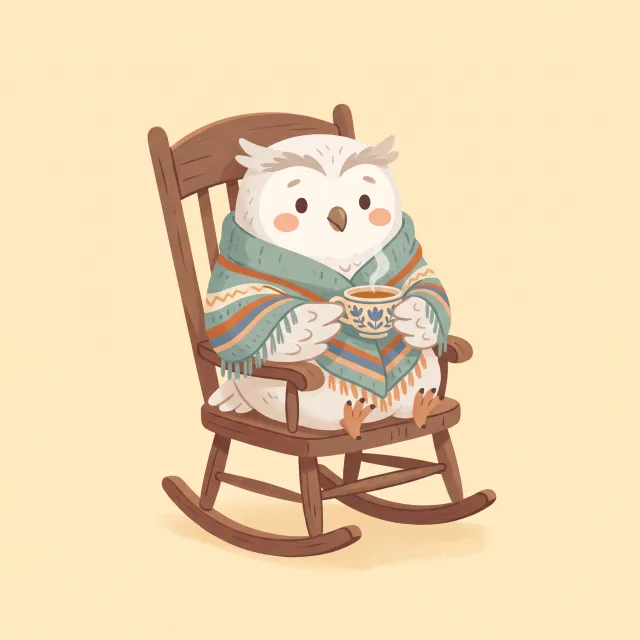
Old soul
Early nights, good tea, and a calm that most people would pay for.
Questions
Original questions written for this site, just for fun. This is not a psychological test and has nothing to do with the "mental age" used in early IQ testing.
FAQ
- Is this a real mental age test?
- No. It's a just-for-fun quiz about habits and tastes. The original "mental age" came from early-1900s intelligence tests for children, and this quiz doesn't measure intelligence or maturity at all.
- What's a normal mental age?
- There isn't one. On this quiz most people mix young and old answers, so they tend to land somewhere in the middle, roughly 30 to 50. Very low or very high numbers mean your answers leaned strongly one way.
- Can my mental age be older than my real age?
- Yes, and it often is. Lots of people in their twenties score as old souls because they like early nights and quiet weekends. It just describes your style, not your actual age.
- Why did I get a different result when I took it again?
- Each point is worth about one year, and swapping a youngest answer for an oldest one moves you about 3 years. So changing a few answers can push you into a different result. Your mood on the day matters too.
- How is the age calculated?
- Each answer scores 0 to 3 points. Your total out of 60 becomes a 0–1 score, and your age is 8 + 64 × that score, rounded. 0 points is 8 and 60 points is 72.
- Do you save my answers?
- Your answers are scored in your browser and are not sent to our server. Your last result is kept in your own browser so you can see it again; clearing site data removes it.
Try these next



Last updated November 12, 2026