 Personality Tests
Highly sensitive person test
24 short statements about noise, crowds, feelings and small details, about 3 minutes. You get a sensitivity score out of 100, which of three bands you fall in (low, moderate or highly sensitive), and tips that fit your result.

Before making even a small choice, I run through how it might play out.
Your answers are scored in your browser. They are not sent to our server.
How it works
- Read each statement and tap how much it sounds like you, from Disagree to Agree.
- Think about how you are most of the time, not just this week. If you're unsure, go with your first reaction.
- At the end you see your score out of 100 and your result: low, moderate or highly sensitive.
- Read the tips, and look back at the statements you agreed with most. They show which kind of sensitivity is strongest for you.
What a highly sensitive person is
"Highly sensitive person", or HSP, is a term from psychologist Elaine Aron. In 1997, she and Arthur Aron published a study describing a trait they called sensory processing sensitivity. In plain words, it means your brain takes in more from what's around you and works through it more deeply.
That shows up in four ways, which Aron sums up with the letters DOES. Depth of processing: you think things through and reflect a lot. Overstimulation: busy, loud or rushed days wear you out sooner. Emotional reactivity and empathy: you feel things strongly, including other people's feelings. Sensitivity to subtleties: you notice small details others miss.
Being an HSP is not the same as being shy or introverted. Aron estimates that around 30% of highly sensitive people are extraverts. They love people, but still need quiet time to recover afterwards.
How common it is
Aron's early estimate was that about 15 to 20% of people are highly sensitive. A larger 2018 study by Francesca Lionetti and colleagues put it closer to 30%. It found three rough groups: about 31% high, 40% in the middle and 29% low.
The researchers gave the groups friendly names. Low-sensitive people are "dandelions", who do fine almost anywhere. The middle group are "tulips". Highly sensitive people are "orchids", who are more affected by bad surroundings but also gain more from good ones. Most writers now give the range as roughly 15 to 30% of people.
It's a normal trait, like height or how outgoing you are. It isn't a disorder, and it's spread across men and women, though men are often taught to hide it.
What each result means
Low sensitivity: noise, crowds and other people's moods mostly roll off you. You recover quickly and stay calm under pressure, but you might miss quieter signals from the people around you.
Moderate sensitivity: you're in the middle. Some things get to you and others don't, and it often depends on how tired or stressed you are.
Highly sensitive: you take in a lot, feel things deeply and need more downtime than most. Your result page has specific tips for this.
How your score is worked out
There are 24 statements, six for each part of DOES, mixed together. Six of them are worded the other way round. Agreeing with "Crowded trains, malls and festivals don't really bother me" lowers your score, so you can't reach the top just by agreeing with everything.
Each answer is worth 0 to 4 points. We add up all 24 and turn the total into a score out of 100. A score of 45 or below is low, above 45 up to 65 is moderate, and above 65 is highly sensitive.
Those cut points are our own. They put an answer sheet full of middle answers in the middle band, and you need to agree with most of the sensitive statements to reach the top band. They aren't matched to a big survey, so we can't tell you what percentage of people score above you.
The questions were written for this site. They follow Aron's description of the trait but they aren't her official HSP Scale, so your number won't line up exactly with that test.
Everyday tips if you're sensitive
Build in recovery time. After a party, a trip or a long workday, plan a quiet evening before you need it, not after you've hit the wall.
Turn the input down. Earplugs or noise-cancelling headphones, sunglasses on bright days, a seat away from the speaker, and fewer tabs open all help more than they sound.
Give yourself time to decide. If you think things through deeply, say "Let me get back to you tomorrow" instead of answering on the spot.
Tell the people close to you. A simple "I love seeing you, I just need a quiet day after" helps friends and partners not take it personally. And sleep, food and movement matter more for sensitive people, so treat them as basics.
What this test can and can't tell you
This is a self-reflection quiz, not a diagnosis. Being highly sensitive is not a mental health condition. It's also not the same as sensory processing disorder, anxiety or autism, though some people have both a sensitive temperament and one of those.
If feeling overwhelmed is making it hard to work, sleep or keep up with friends, talk to a doctor or counselor. They can help you work out what's going on and what would help.
All 3 results
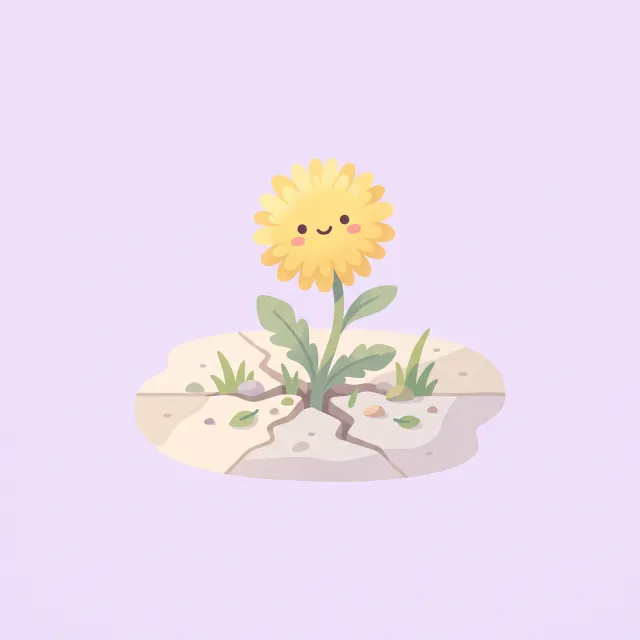
Low sensitivity: the steady type
Noise, crowds and other people's moods mostly roll off you.
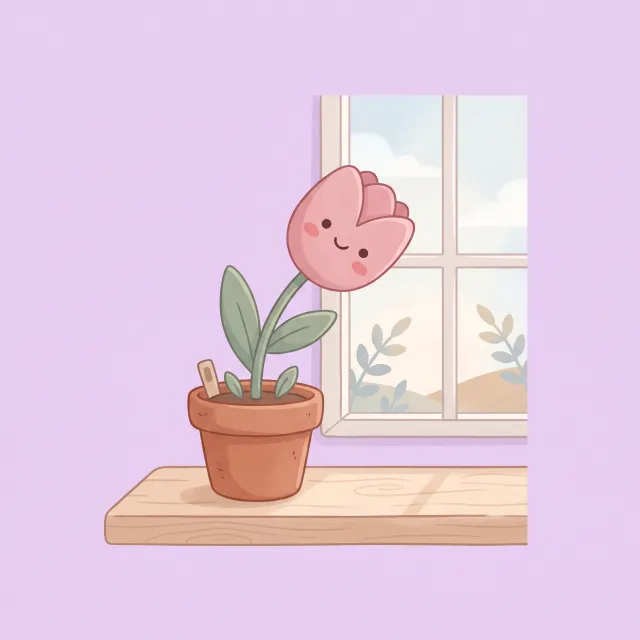
Moderate sensitivity: somewhere in the middle
Some things get under your skin, others don't. It depends on the day.

Highly sensitive person (HSP)
You take in more, feel more and need more quiet time to recover.
Questions
The 24 statements are original items written for this site. They are inspired by sensory processing sensitivity, the trait described by Elaine and Arthur Aron (1997). This is not Elaine Aron's official HSP Scale and it is not a clinical test.
FAQ
- What does HSP stand for?
- Highly sensitive person. It's a term from psychologist Elaine Aron for people high in sensory processing sensitivity: they notice more, think things through deeply and get overwhelmed sooner.
- Is being highly sensitive a disorder?
- No. It's a normal personality trait that roughly 15 to 30% of people have. It isn't a diagnosis, and this quiz can't diagnose anything. If you're struggling, a doctor or counselor can help.
- Can an HSP be an extravert?
- Yes. Aron estimates that about 30% of highly sensitive people are extraverts. They enjoy being with people but still need more time to recover afterwards.
- Is HSP the same as introversion?
- No. Introversion is about where you get your energy. Sensitivity is about how much you take in and how deeply you process it. Many HSPs are introverts, but not all.
- Is this Elaine Aron's official HSP test?
- No. The questions are original and written for this site, based on the published description of the trait. Aron's own self-test is on her website.
- Do you save my answers?
- Your answers are scored in your browser and are not sent to our server. Your last result is kept in your own browser so you can see it again; clearing site data removes it.
Try these next


Last updated November 12, 2026