 Personality Tests
Enneagram Type 2: The Helper
Enneagram Type 2, the Helper, is the type that moves toward people. Twos notice what others need, give a lot, and want, deep down, to know they are loved and wanted.
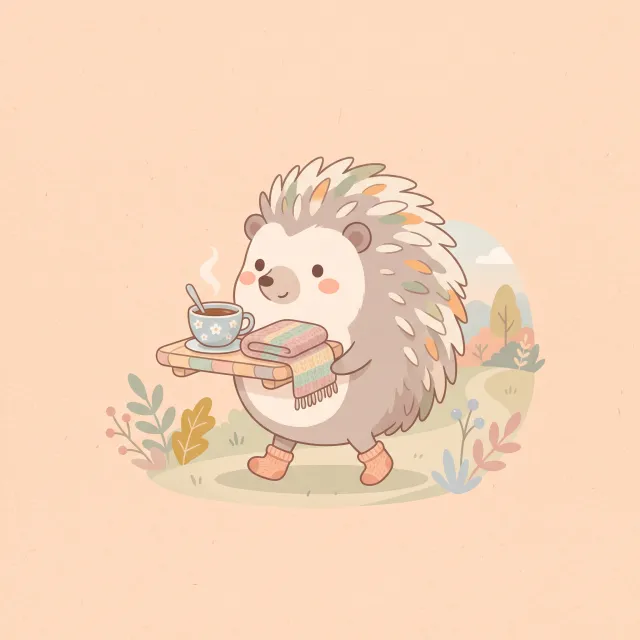
Type 2 in plain words
Twos are the people who bring soup when you're sick and remember your sister's name. They read moods quickly and they like to be close. In a group they're often the glue.
Their gift is attention. They see the person who's left out and pull them in. The trouble starts when giving becomes the only way they feel they've earned a place.
Core desire and core fear
A Two's core desire is to feel loved. The core fear is being unwanted, or loved only for what they do.
So they give, often without being asked and often more than they can afford. Many Twos find it hard to name their own needs, because having needs feels like being a burden. When the giving isn't noticed, the hurt can turn into quiet resentment or a flash of "after everything I've done".
Type 2 at work
Twos bring warmth to a workplace. They're the colleague who mentors the new hire and notices burnout before anyone else does. They often do well in nursing, teaching, counseling, customer care, HR, hospitality and any role built around people.
They tend to say yes to too much. A Two may pick up everyone's extra tasks and then feel invisible when credit goes elsewhere. Clear roles help, and so does a manager who says thank you out loud.
Type 2 in love
In love, Twos are attentive and generous. They plan the surprise, cook the favourite meal, and pick up on a bad day from one word in a text. Closeness matters a lot to them.
The risk is shaping themselves around the partner and losing track of what they want. A Two may also give in order to be needed, then feel hurt when the partner wants more independence. Good partners ask the Two directly, "What would you like?", and wait for a real answer.
Type 2 as a friend
A Two is the friend who checks in, turns up with snacks, and keeps the group chat alive. They make people feel seen.
They may struggle when a friend doesn't need them for a while, and they can feel left out when help flows only one way. The best friendships for a Two are the ones where they let others take care of them too.
Type 2 wings: 2w1 and 2w3
Type 2 sits between 1 and 3 on the circle, so its two possible wings are 1 and 3.
2w1 is the dutiful, quieter Two. They help because it's the right thing to do, often behind the scenes. They hold themselves to high standards of service, can be self-critical, and may feel guilty taking anything for themselves. They care less about being noticed and more about doing it well.
2w3 is the social, charming Two. Their warmth is more visible: hosting, introducing people, making everyone feel welcome. They're more ambitious and image-aware, and they like their help to be seen and appreciated. They bring a lot of energy, and they may struggle more with needing approval.
Under stress and in growth: 2 to 8, 2 to 4
The arrows for Type 2 point to 8 in stress and to 4 in growth.
When a Two has given too much for too long, the hidden anger can come out like a low-side Eight: blunt, demanding, even controlling. Friends are often surprised, because it seems to come from nowhere. In growth, a Two takes on the healthy side of Four. They turn inward, notice their own feelings and wants, and give from a full cup instead of an empty one. One question a day helps: what do I want right now?
Type 2 or a look-alike?
Type 9 can look just as kind and easy to be around. The difference is the motive. A Nine goes along to keep the peace; a Two moves toward people to be close and needed. Type 6 is loyal and supportive too, but a Six helps out of duty and a need for security, not to be loved.
Type 3 and Type 2 get mixed up often, especially 2w3 and 3w2. Ask what you'd hate more: being unloved (Two) or being seen as a failure (Three). Type 7 shares the warmth and sociability but is chasing fun, not closeness.
How our test decides you're a Type 2
The five Type 2 statements cover noticing needs before people ask, feeling hurt when your help goes unnoticed, and finding it easier to give help than to ask for it. Two are reversed: rarely going out of your way for people you don't know well, and easily saying no to a friend. Agreeing with those lowers your Type 2 score.
Every answer is worth 0 to 4 points. The five are averaged and shown from 0 to 100, and Type 2 is your result when it beats the other eight. If two types tie exactly, your answer pattern decides, and the same answers always give the same type.
The type listed second is whichever scored next, not a wing by default. Only a 1 or a 3 there would hint at a wing. Look at those two bars to make a guess.
Not sure this is you? Find out in 6 minutes.
Take the Enneagram testFAQ
- What's the difference between 2w1 and 2w3?
- 2w1 helps quietly and out of duty, often behind the scenes, with high standards for itself. 2w3 helps in a more social, visible way and cares more about being appreciated. Compare your Type 1 and Type 3 bars for a first guess.
- Why do Type 2s have trouble saying no?
- Saying no can feel like risking the relationship. For a Two, being needed and being loved are tangled together. Practicing small no's, without a long excuse, is a good start.
- Are Enneagram 2s manipulative?
- Most aren't. An unhealthy Two can give with strings attached, quietly expecting love or thanks in return. Healthy Twos give freely and ask for what they need directly.
- What jobs suit an Enneagram Type 2?
- Roles built around people: nursing, teaching, coaching, counseling, HR, hospitality and customer care. Twos also need limits, or any caring job can wear them out.
- What does a Type 2 need from a partner?
- Someone who notices their effort, says thank you, and asks about their wants, then waits for a real answer. Twos also need room to receive care without feeling they owe something back.
All 9 types

Last updated November 12, 2026