 Personality Tests
True Neutral alignment
True Neutral means you don't take a fixed side on rules or on good and evil. You follow rules that make sense, help when it's reasonable and would rather keep things balanced than win a moral argument.

Gets along well with
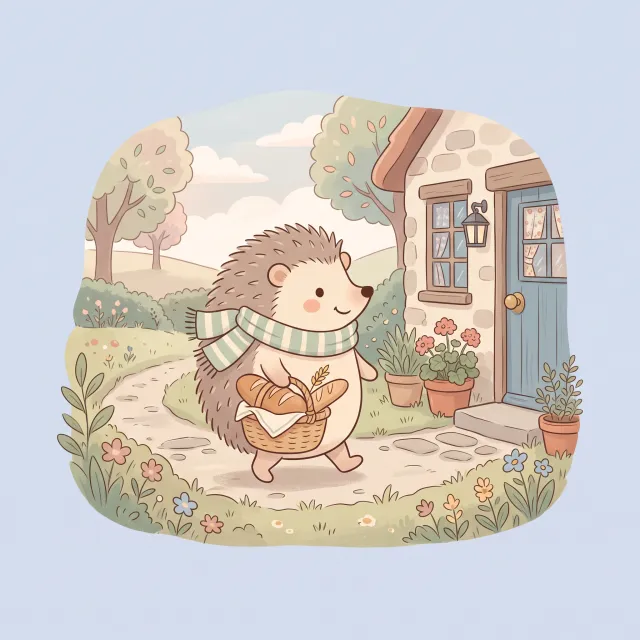 Neutral Good
 Lawful Neutral
Needs more effort with
 Lawful Good
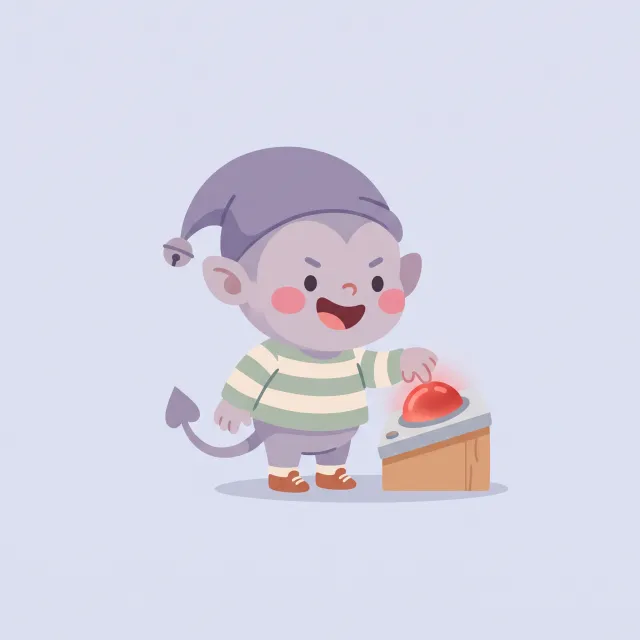 Chaotic Evil
What True Neutral means
True Neutral is the centre box of the alignment chart. The chart started in Dungeons & Dragons in the 1970s, and the centre is the only box that's in the middle on both lines. You're not especially lawful or chaotic, and not especially good or evil.
It's called True Neutral, or just Neutral, to set it apart from the other four boxes with Neutral in the name. Those are only neutral on one line.
There are two common flavours. One is the balancer, who thinks extremes cause trouble and tries to keep things even. The other is the live-and-let-live type, who doesn't feel strongly either way and gets on with life. Both end up in the same square.
True Neutral in everyday life
At work, both sides of an argument trust you, because you don't seem to have a stake in it. You'll follow a sensible process, skip a pointless one if nobody's checking, and you rarely get dragged into office politics.
With friends you're easy company. You don't judge who someone dates or how they spend their money. When two friends fall out, you stay friends with both, which can annoy both of them.
In the group chat you react with a thumbs up and say “either works for me” about where to eat. When it turns into a fight, you go quiet and wait for it to blow over.
As a roommate you're low-drama. You do your share of chores most of the time and don't mind a bit of mess, as long as nobody is yelling about it.
True Neutral characters in stories
The classic True Neutral figure is the druid who guards the balance of nature and sides with whoever is losing, so nobody wins outright. You also see it in the hermit on the mountain who answers questions but won't join the war, the shopkeeper who sells to heroes and villains alike, and the narrator who watches everything and changes nothing.
Animals in stories often land here too. They follow their instincts, not a moral code. Characters like these are handy in plots because they're hard to recruit. Everyone wants their help, and they give it only when it suits them.
How True Neutral differs from its neighbours
True Neutral touches four boxes. Above is Neutral Good, who cares more about helping. Below is Neutral Evil, who cares more about themselves. To the left is Lawful Neutral, who cares more about rules. To the right is Chaotic Neutral, who cares more about freedom.
You share a little with each. The difference is that every one of them has a priority, and you don't. Ask Chaotic Neutral what matters most and they'll say “being free.” Ask you, and you'll probably say “it depends.”
Why people argue about True Neutral online
The big argument is whether True Neutral is real balance or just not caring. Critics say it's the alignment of people who won't pick a side. Fans say choosing calm over drama is a choice too, and often the harder one.
Tabletop players also argue about the old-school druid who balances good and evil so strictly that it ends up helping the villains whenever the heroes are winning. Most players today read True Neutral as moderate and fair rather than that extreme. And then there's the eternal side debate: are cats True Neutral or Chaotic Neutral?
Best and worst party matches
Your best teammates are Neutral Good and Lawful Neutral. Neutral Good is warm and flexible like you, but gives the group a kind push when it needs one. Lawful Neutral brings the plan and the deadlines you might let slide, without the moral speeches.
The friction comes from Lawful Good and Chaotic Evil. Lawful Good wants you to take a stand, and finds “it depends” frustrating when someone is being treated unfairly. Chaotic Evil does the opposite: it stirs up exactly the drama you try to avoid, then asks you to pick a side.
How our test puts you in True Neutral
The quiz uses 20 statements, 10 on rules and 10 on how you treat people. Each answer scores 0 to 4, for a total of 0 to 40 per line. Half the items on each line are flipped, so a run of yes answers doesn't push you anywhere special.
True Neutral is the middle band on both lines: 17 to 24 points on Law and 17 to 24 on Good (above 40%, up to 60%). Exactly 24 still counts as Neutral. Hit 25 on either line and you move to Lawful or Good. Drop to 16 and you move to Chaotic or Evil. The band is narrow, so a couple of answers can shift you a box. Check both scores on your result to see how close you were.
Not sure this is you? Find out in 3 minutes.
Take the Moral alignment testFAQ
- What does True Neutral mean?
- You sit in the middle on both lines of the chart. You follow rules that make sense, help when it's reasonable and prefer balance to picking a side.
- Is True Neutral the same as Neutral?
- Yes. Different versions of the game and different fans use both names for the centre box. Adding True just makes it clear you don't mean Lawful Neutral or Chaotic Neutral.
- Is True Neutral a cop-out?
- It can look that way, but it isn't always. Plenty of True Neutral people have firm views; they just don't think any one rule or cause should win every time.
- What's the difference between True Neutral and Chaotic Neutral?
- Both are relaxed about good and evil. Chaotic Neutral cares a lot about freedom and dislikes rules. True Neutral has no strong pull either way and follows rules when they make sense.
- What jobs suit True Neutral?
- Anything where seeing both sides is the skill: mediator, moderator, researcher, translator, customer support lead. You're good at calming things down.
All 9 types




Last updated November 12, 2026