 Personality Tests
ESFJ personality type
ESFJ stands for Extraverted, Sensing, Feeling, Judging. It's the warm, organized person who makes sure everyone's included, fed and getting along, and who notices straight away when someone isn't.
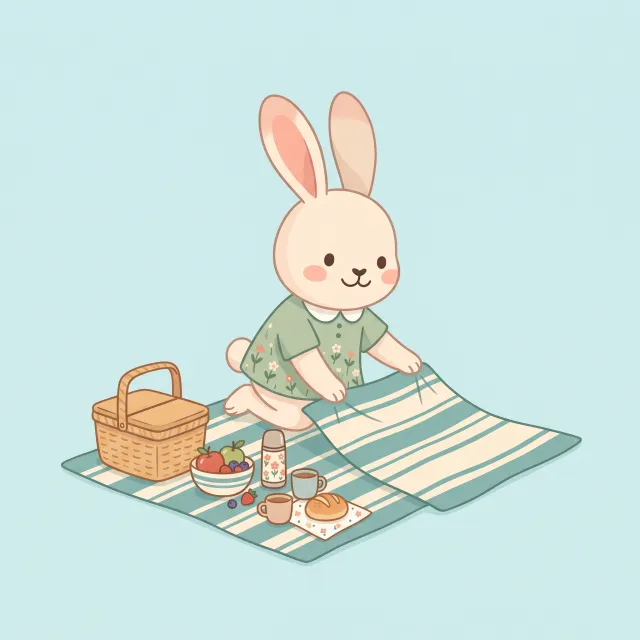
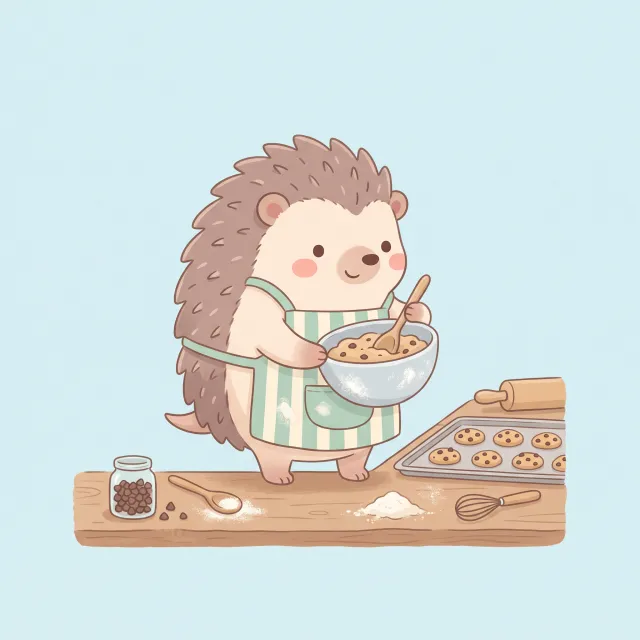 ISFJ
 ISFP
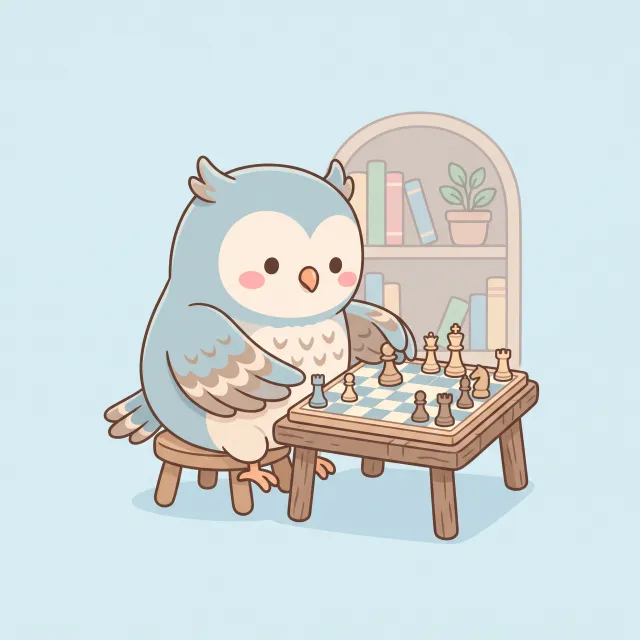 INTJ
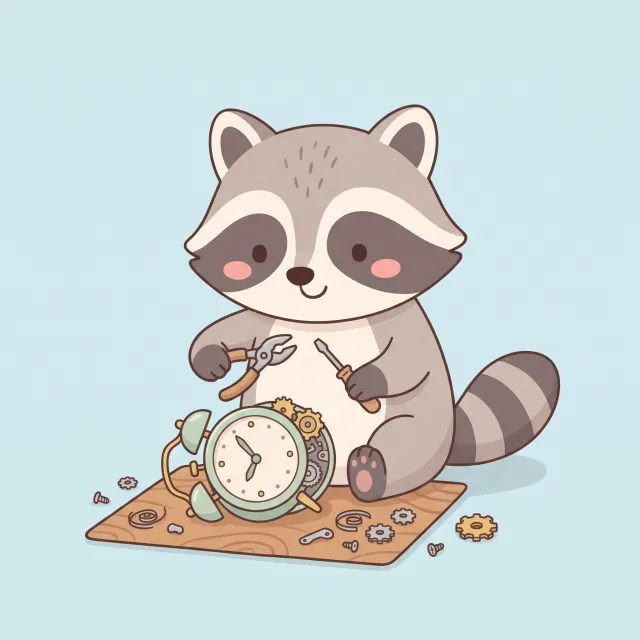 INTP
ESFJ in plain words
E: people give you energy. S: you notice concrete things, like the empty glass or the friend sitting alone. F: you decide by how it affects people. J: you like plans made and promises kept.
Put together, you're a host at heart, even outside your own home. You plan the dinner, welcome the newcomer and send the group photo afterwards. On our site we call this type the Warm Host.
Harmony matters to you more than almost anything. A room where people get along feels right. A room full of tension feels like a job you need to fix.
What drives an ESFJ
You want the people around you to be okay, and you want to be the reason. Being useful and appreciated feels good to you, and that's nothing to be embarrassed about.
You also value doing things properly: manners, traditions, showing up for birthdays and funerals. These customs are how communities look after each other, and you take them seriously.
Because you're so tuned in to others, you notice their opinions of you too. Approval lifts you up and criticism can sting for days.
ESFJs at work, and jobs that fit
You build friendly teams and keep them running. You remember everyone's birthday, check in when someone's struggling and make sure the boring jobs get shared fairly.
Jobs that often suit ESFJs: nursing, teaching, event planning, hospitality, HR, sales and account management, healthcare admin, customer success, social work and running a team. They mix people contact with structure.
Cold, competitive workplaces are hard on you. So is a job where you work alone all day. If your role has neither people nor appreciation, it'll feel long even when the pay is good.
ESFJs in love
In love you're attentive, generous and openly affectionate. You plan dates, remember the little things and like your relationship to be part of your wider circle of family and friends.
You can read a partner's bad mood as a sign that you did something wrong. Often it has nothing to do with you. Ask, "Is this about me, or just a bad day?" before you start worrying.
Clear signs of commitment matter to you. If your partner is vague about the future, say so kindly but plainly instead of waiting and hoping.
ESFJs as friends
You're the friend who keeps the group together, the one who remembers to invite the quiet person and organizes the leaving party.
You give a lot, and you notice when it isn't given back. It's fair to expect friends to show up for you too. It's also fair to let some friendships be lighter and not take each missed call as a sign.
Best and hardest matches for ESFJ
On our site, ESFJ matches best with ISFJ and ISFP, and finds INTJ and INTP hardest. We use a plain rule of thumb, not research: a good match has your S and F letters (how you notice things and how you decide) with the opposite energy letter, I.
An ISFJ shares your care and love of tradition, and gives you a calm base after all your socializing. An ISFP brings warmth plus a gentle, artistic side, and helps you live a bit more in the moment.
INTJ and INTP like to step back and analyze, and they can seem detached when you want closeness. They may find your social calendar tiring. Plenty of these couples still do well, especially when they talk about these differences early. Four letters can't tell you who you'll be happy with.
Under stress, and how to grow
ESFJs get stressed by conflict they can't fix and by feeling unappreciated. You may try even harder to please, or become prickly and controlling about how things are done.
With long stress, harsh self-criticism can creep in, or sudden cold judgment of others that doesn't sound like you at all. That's a sign you've been running on empty.
Growth means resting before you need to, and letting some people be unhappy with you without fixing it. Not everyone has to approve of a good decision.
ESFJ or a look-alike type?
ESFJ or ENFJ? Both are warm and organized. The ENFJ often wants to help people grow and change. The ESFJ wants people to be comfortable and cared for right now.
ESFJ or ISFJ? Same caring core. An ESFJ is happiest in the middle of the party. An ISFJ prefers helping in the kitchen and then going home early.
ESFJ or ESFP? Both love people. The ESFJ plans the party weeks ahead. The ESFP decides at 6 p.m. that tonight is a party.
How our test decides you're an ESFJ
There are 40 statements, 10 per letter pair. Each answer adds 0 to 4 points toward E, N, F or P, and each pair is shown as a percentage bar. You're ESFJ when Energy and Decisions are above 50% (E and F) and Information and Lifestyle are at 50% or below (S and J).
Ties at exactly 50% go to the I, S, T or J side. That means ESFJ needs a clear lean on both E and F. If either bar is only just above 50%, try reading ISFJ or ESTJ too.
Statements like "When I'm stuck on a problem, I want to talk it through with someone right away" and "When I make a choice, I think first about how it will land for the people involved" push toward ESFJ. It's a self-reflection quiz, not the official MBTI.
Not sure this is you? Find out in 5 minutes.
Take the MBTI test (16 types)FAQ
- Are ESFJs common?
- Yes, it's one of the most common types. A large US sample published with the official MBTI manual in the late 1990s put ESFJ at about 12%. Numbers change by country and by test.
- What is an ESFJ's best match?
- Our rule of thumb points to ISFJ and ISFP: they share your caring, practical outlook but are quieter. It's not a research result, so don't rule anyone out because of their letters.
- Why do ESFJs care so much about what others think?
- Because they read people closely and value harmony, other people's reactions feel like useful information. It becomes a problem only when it stops you making good decisions.
- What careers suit an ESFJ?
- Work with lots of people contact and clear structure: nursing, teaching, events, hospitality, HR, sales and team leading. Let your real interests decide; type is just a nudge.
All 16 types






Last updated November 12, 2026