 Personality Tests
ISFP personality type
ISFP stands for Introverted, Sensing, Feeling, Perceiving. It's the quiet, kind person who lives in the moment, notices colours, sounds and moods, and shows who they are through what they make and do.

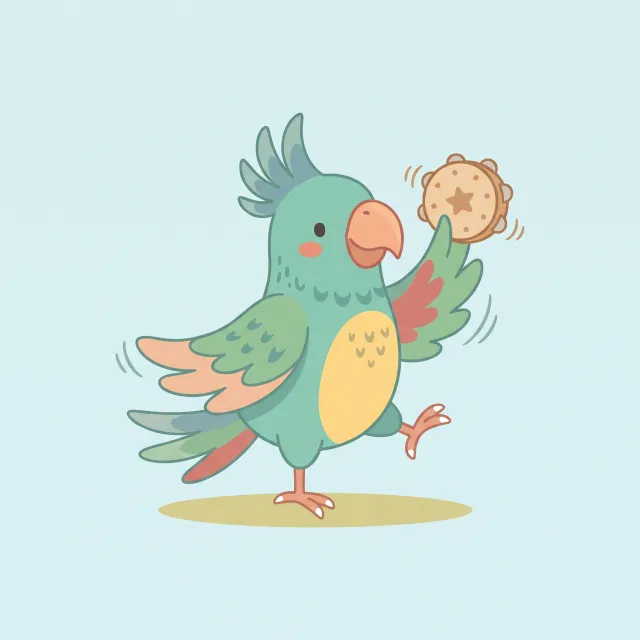 ESFP
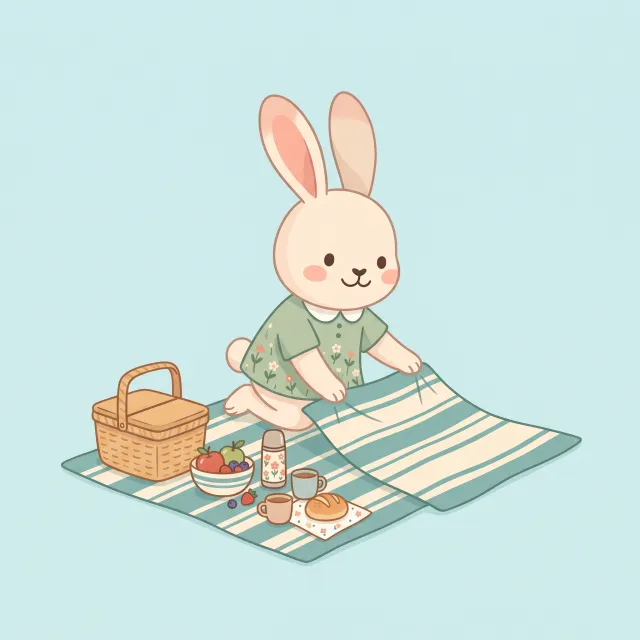 ESFJ
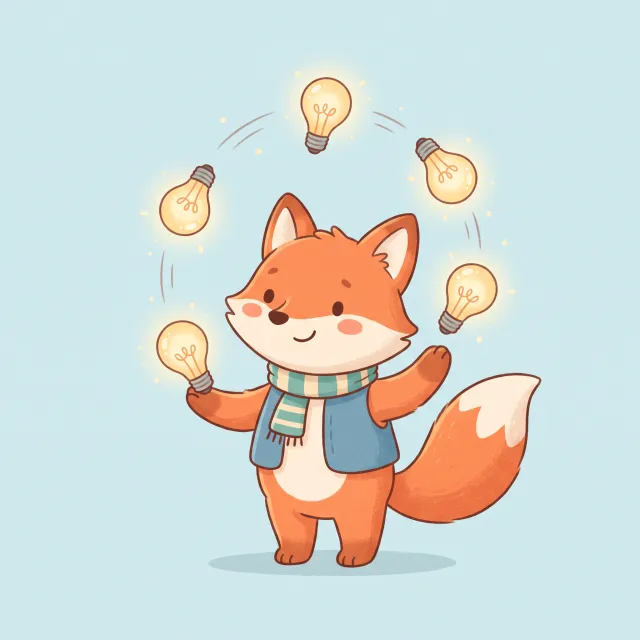 ENTP
 ENTJ
ISFP in plain words
I: you recharge alone. S: you take in the real world through your senses: textures, light, flavours, the feel of a room. F: you decide by your values and by how things affect people. P: you like to stay flexible and see what the day brings.
The result is a gentle person with a strong eye for beauty. You'd rather show yourself through your clothes, your cooking, your playlist or your sketchbook than explain it in words. On our site we call this type the Gentle Maker.
ISFPs often seem quiet at first. Under that quiet sit strong personal values, and you'll stand firm when someone crosses them.
What drives an ISFP
Being true to yourself matters most. You want to live in a way that feels right to you, not the way someone else says you should.
You notice beauty in small, real things: steam on a window, a good shade of green, the way a friend laughs. Life feels good when you have time to enjoy those moments.
You care about others more than you show. Unfairness to people or animals can upset you for days.
ISFPs at work, and jobs that fit
You want freedom to work your way and a job you feel good about. A strict boss, harsh feedback or pressure to sell something you don't believe in can make you shut down.
Jobs that often suit ISFPs: graphic, fashion and interior design, photography, illustration, music, cooking and baking, hairdressing and beauty, nursing and care, physiotherapy, vet nursing and work with animals, gardening and crafts.
You often do your best work on your own or in a small, kind team. Give yourself a few gentle deadlines, because long-term goals can slide when nobody is checking in.
ISFPs in love
In love you're tender, loyal and full of small gestures: the song you send, the snack you remember they like, the handmade card. You show love more than you say it.
You avoid conflict, sometimes too much. You may go quiet when something hurts and hope it fades. Usually it doesn't. A short, honest talk early on saves a lot of silent hurt.
You need a partner who respects your space and your freedom. Pushing you to commit fast or plan everything tends to make you pull back. Patience gets the real you.
ISFPs as friends
You're accepting and easy to be with. Friends feel they can be themselves around you, because you rarely judge.
You like a few close friends and quiet, real experiences: a walk, a gallery, cooking together.
Best and hardest matches for ISFP
On our site, ISFP's best matches are ESFP and ESFJ, and the hardest are ENTP and ENTJ. To be clear, that's our own rule of thumb, not a research result. A good match shares your S and F letters, the way you notice things and make choices, and has the opposite energy letter, E.
An ESFP shares your love of the moment and good things, and brings fun and people into your life. An ESFJ gives you warmth plus a bit of the structure you might skip on your own.
ENTP and ENTJ love debate, plans and big ideas. Their bluntness can hurt you, and your quiet can look like having no opinion to them. That gap can be bridged if they soften and you speak up. A good relationship depends far more on care and respect than on type.
Under stress, and how to grow
ISFPs get stressed by pressure, criticism and conflict. You may withdraw, go silent or quietly blame yourself for things that aren't your fault.
With long stress, some ISFPs swing into harsh, critical thinking about themselves or others, which feels very unlike them. That's a sign to rest and talk to someone gentle.
Growth means saying what you need before it builds up, and setting one or two small, practical goals for the future. You don't have to plan your whole life, just the next step.
ISFP or INFP, and other look-alikes
ISFP or INFP? This is the most common mix-up. Both are gentle, value-led and creative. The INFP lives in ideas, stories and what could be. The ISFP lives in the senses and the present. Ask yourself: do you daydream more, or do you make and do more?
ISFP or ISFJ? Both are quiet and caring. The ISFJ likes routine and planning. The ISFP would rather keep the day open.
ISFP or ISTP? Both are hands-on and easygoing. The ISTP asks, "Does it work?" The ISFP asks, "Does it feel right?"
How our test decides you're an ISFP
There are 40 statements, 10 per letter pair. Each answer gives 0 to 4 points toward E, N, F or P. You're ISFP when your Decisions and Lifestyle bars are above 50% (F and P) and your Energy and Information bars are at 50% or below (I and S).
Since exact ties go to I, S, T or J, an ISFP result means you leaned clearly toward F and P. If your Information bar sits near the middle, the INFP page may fit you too.
Statements like "Giving criticism is hard for me, even when it's deserved" and "On a day off, I'd rather see where the day takes me than follow a plan" push toward ISFP. This is a self-reflection quiz, not the official MBTI.
Not sure this is you? Find out in 5 minutes.
Take the MBTI test (16 types)FAQ
- Are ISFPs rare?
- Not really. In a large US sample published with the official MBTI manual in the late 1990s, about 9% of people came out as ISFP. Other tests and countries give other figures.
- What is an ISFP's best match?
- By our rule of thumb, ESFP and ESFJ: they share your practical, caring way of seeing things and bring more outgoing energy. It's a guide for thinking about differences, not a rule.
- Am I ISFP or INFP?
- Look at your Information bar. If it's near 50%, you're between the two. ISFPs tend to focus on the real, present moment and making things; INFPs on ideas, meaning and possibilities.
- What careers suit an ISFP?
- Work with freedom and a personal touch: design, photography, music, cooking, beauty, care work, physiotherapy and working with animals. Use type as one hint next to your real skills.
- Are ISFPs introverts?
- Yes. You recharge with time alone. Many ISFPs are warm and playful with people they trust, then need a quiet day to recover.
All 16 types





Last updated November 12, 2026